

 Facebook
 X
X
 Pinterest
 Copy Link
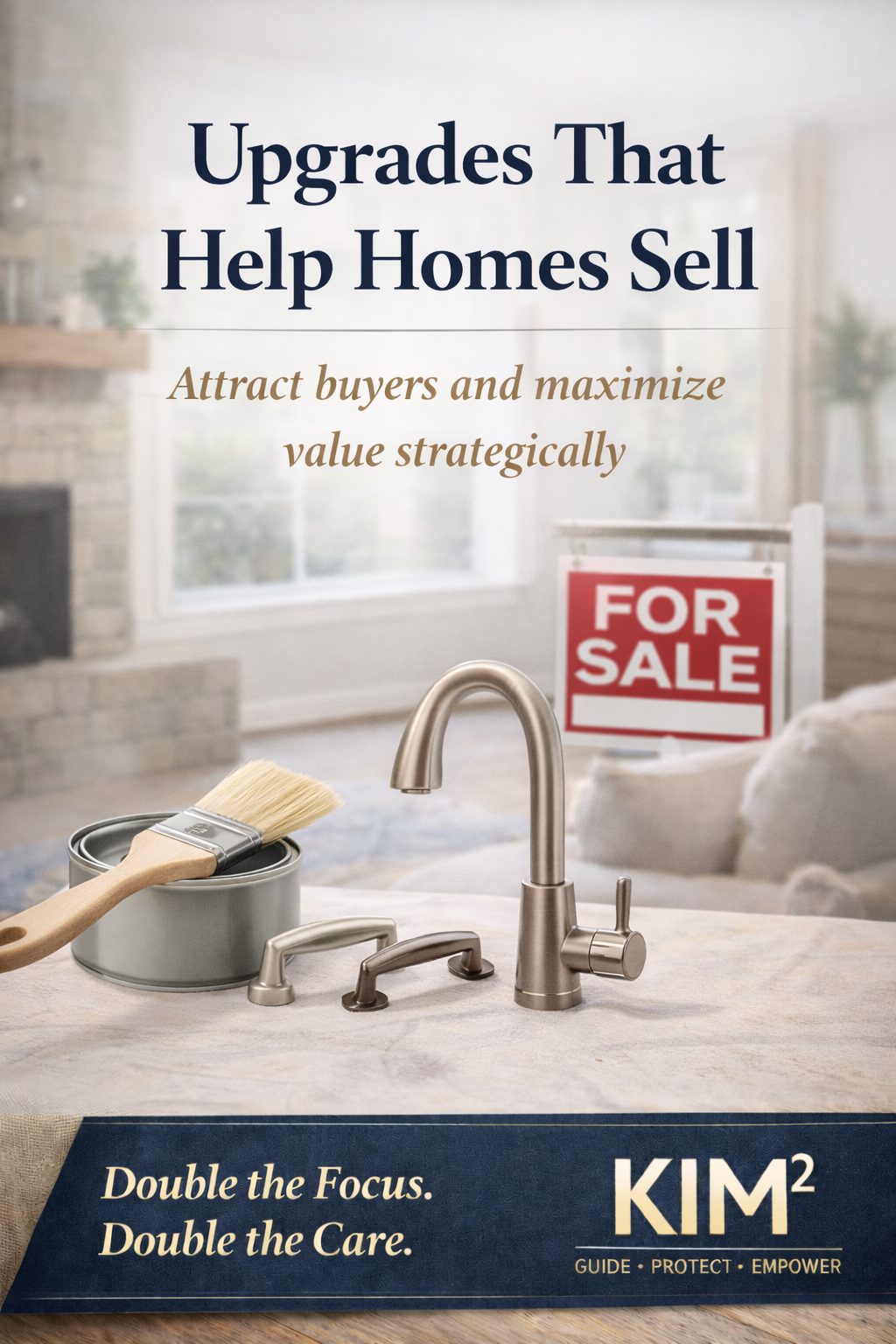
When preparing to sell, not all upgrades are created equally. Some improvements increase value and buyer interest, while others simply drain your budget without delivering a return. The key is knowing where to invest—and where not to.
Why Over-Upgrading Can Hurt
Over-upgrading is one of the most common seller mistakes. Buyers typically pay for overall condition, layout, and how a home feels—not overly personalized finishes or luxury upgrades that don’t align with the neighborhood.
A home that feels clean, updated, and well maintained will almost always outperform one that feels expensive but out of place.
Seller-Friendly Upgrades That Work
The most effective upgrades tend to be simple, strategic, and widely appealing. These improvements consistently help homes sell faster and stronger:
-
-
Updated or well-maintained flooring
-
Fresh, neutral interior paint
-
Improved lighting for brightness and warmth
-
Minor kitchen and bathroom updates
-
Enhanced curb appeal through landscaping and exterior touch-up
These upgrades help buyers envision themselves in the home without distraction.
Upgrades That Often Don’t Pay Off
Some projects feel impressive but rarely return their cost:
-
Full renovations without a clear pricing strategy
-
High-end finishes in modest neighborhoods
-
Highly customized designs or bold personal choices
Without alignment to buyer expectations, these upgrades can limit interest rather than increase it.
Plan Before You Spend
Before investing in updates, it’s smart to create a pre-listing plan based on market expectations, buyer behavior, and your specific timeline. Strategic upgrades—done intentionally—can make a real difference in both price and time on market.
Let’s start with a conversation—not pressure, not sales talk—just clarity on which upgrades actually make sense for your home and your goals.
-
-


