

 Facebook
 X
X
 Pinterest
 Copy Link
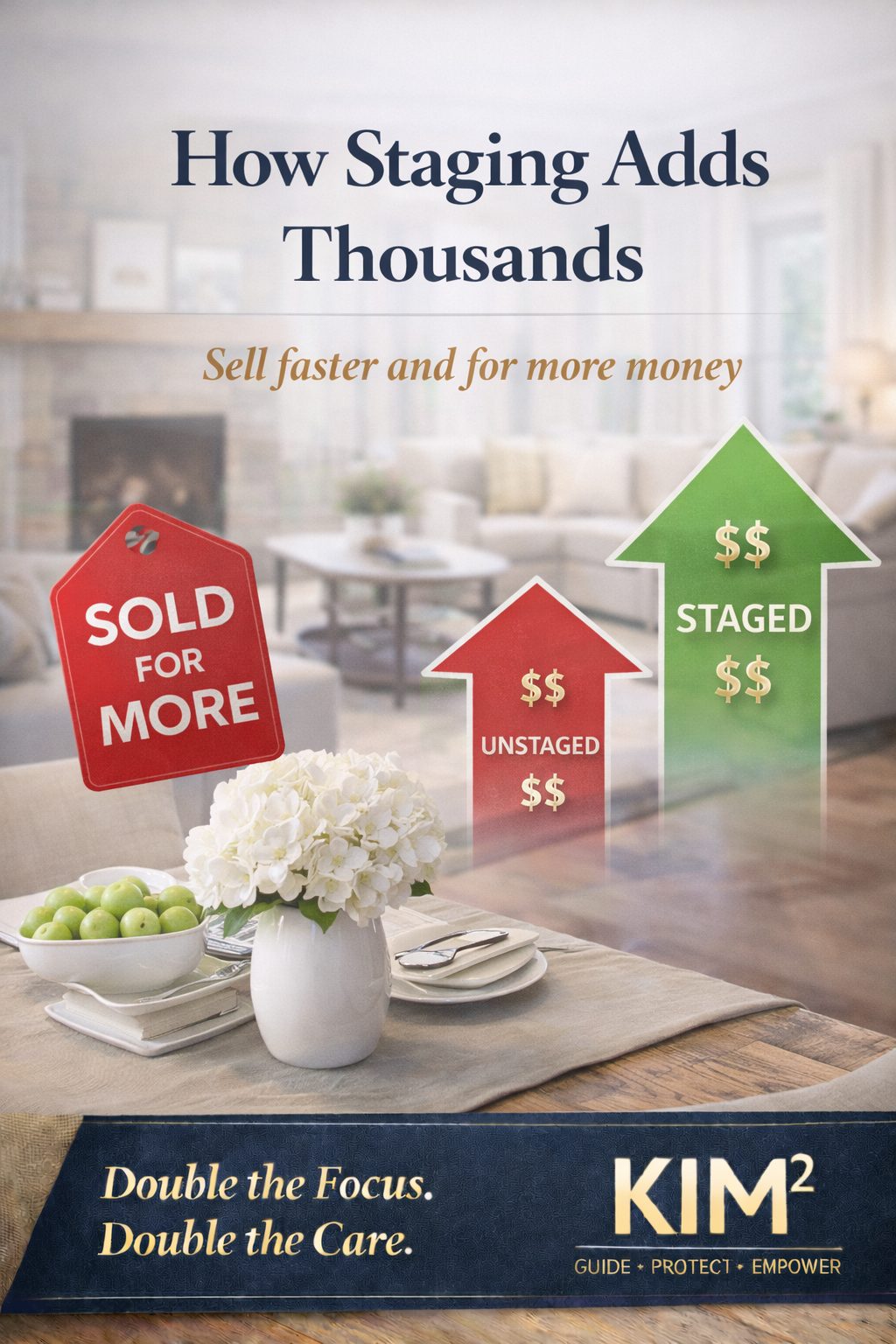
Staging isn’t about decorating—it’s about marketing a home to appeal to the widest range of buyers possible. A well-staged home allows buyers to focus on the space itself, not the seller’s personal style or belongings.
Why Staging Works
Well-staged homes help buyers emotionally connect to a space. Staging highlights flow, functionality, and natural light while minimizing distractions that can pull attention away from the home’s best features.
When a home feels balanced and inviting, buyers tend to linger longer—and imagine themselves living there.
Helping Buyers Visualize the Space
Staging also helps buyers understand how rooms can be used, especially in homes with unique layouts, open floor plans, or smaller spaces. Clear purpose removes uncertainty.
When buyers can visualize how furniture fits and how rooms function, they’re more likely to feel confident and submit stronger offers.
Not Every Home Needs Full Staging
Staging doesn’t have to mean fully furnishing every room. In many cases, partial staging, decluttering, rearranging furniture, or simple styling adjustments are enough.
The key is choosing the right level of staging based on the home, price point, and current market conditions—not overdoing it.
Staging as a Strategic Investment
When done intentionally, staging can shorten time on market and increase perceived value. Homes that photograph well, show well, and feel move-in ready often outperform similar unstaged homes.
Staging is less about cost—and more about return.
Let’s start with a conversation—not pressure, not sales talk—just clarity on whether staging makes sense for your home and how to approach it strategically.


